Is a cargo eBike tax deductible in the UK? In most cases, yes — a cargo eBike bought for business use can qualify for 100% relief against profit in the year of purchase, through the Annual Investment Allowance. But that single fact, on its own, isn’t the interesting part. The interesting part is what happens when that relief is put next to the running-cost saving everyone already talks about — because nobody’s put the two numbers side by side, and together they tell a different story than either does alone.
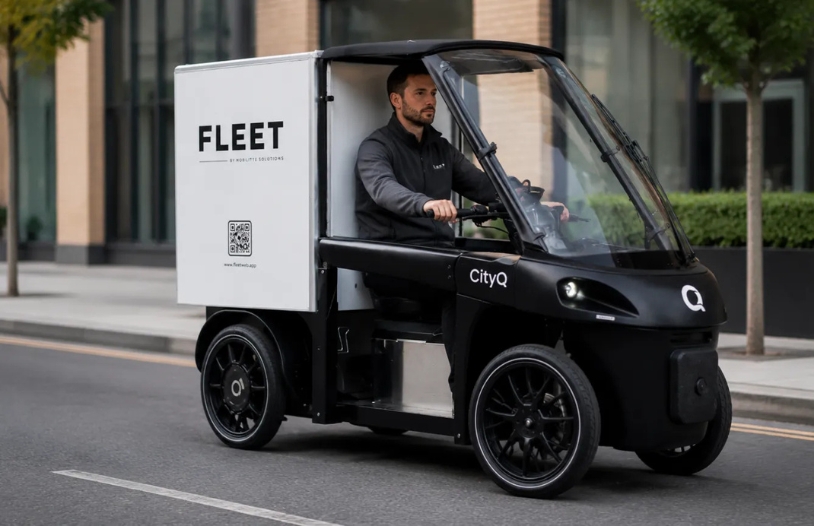
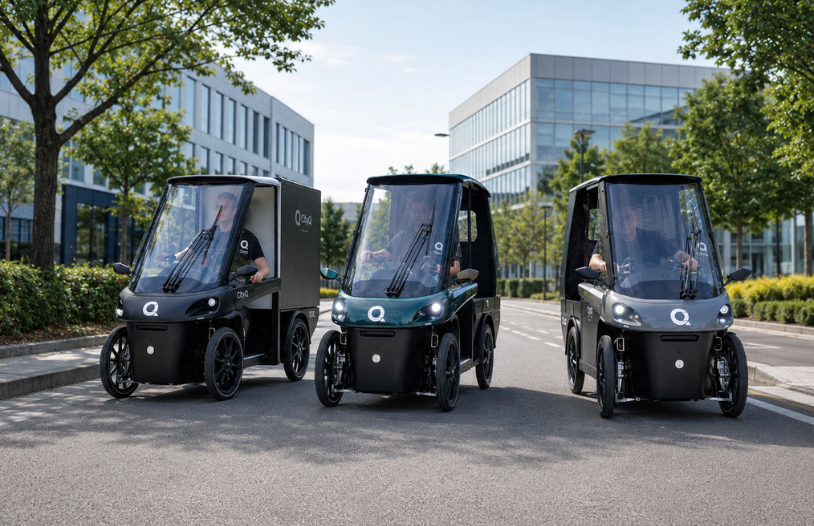
A CityQ costs roughly £11,000. Most fleet conversations stop there, treat it as the real cost, and move on to the running-cost saving as a separate, slower story. For a UK business, the purchase price and the first-year tax position aren’t separate at all — and once they’re combined, the actual cost of getting one on the road in year one looks nothing like £11,000. The same maths now changing how electric cargo bikes work for trades and field-service teams hasn’t been run through to its tax conclusion — until now.
The Allowance Most Businesses Already Qualify For
The mechanism that changes the picture is the Annual Investment Allowance — AIA. It’s not new, not cargo-bike-specific, and not a loophole. It’s the standard UK tax treatment for plant and machinery a business buys to use in the business, and according to GOV.UK, it allows the full cost of qualifying items to be deducted from profits before tax, up to the AIA limit, in the year of purchase.
A cargo eBike bought outright by a UK business and used for business purposes generally falls into this category — it’s equipment used to do the work, in the same way a piece of workshop machinery or a commercial appliance would be. For a limited company, that means the £11,000 purchase price comes off taxable profit in year one, not spread thinly over several years of depreciation.
The Number Nobody's Put Next to Each Other
Here’s where it gets interesting, because this is the bit that never makes it into either the cost conversation or the tax conversation on its own.

At the main rate of UK corporation tax — 25% for most profitable companies — claiming the full £11,000 against profit reduces the company’s tax bill by £2,750 in that year. That’s not a discount on the bike. It’s money the business would otherwise have paid to HMRC, now staying in the business instead. The effective year-one cost of the vehicle drops to roughly £8,250 before a single mile is run.
Now add the running-cost saving that’s been the headline of every cargo bike conversation so far: £28,220 to £33,220 per year against a comparable van on an inner-city route, once ULEZ, the Congestion Charge, parking and fuel are all counted. Put the two together, and the picture for year one isn’t “an £11,000 vehicle that pays for itself eventually.” It’s a vehicle with an effective cost of around £8,250 that then returns more than three times that figure in saved costs within twelve months.
That’s not a multi-year payback case. That’s a same-year positive return — and it’s a number that exists nowhere else on this site, because the cost blogs and the running-saving blogs have always been written separately.
Why Blech Kurier's Growth Makes Sense When You See This
Blech Kurier in Munich didn’t start with a fleet order. They bought one CityQ, ran it on their laboratory courier routes against the car-based operation it was replacing, and measured the result — a saving of €0.28 per kilometre, on routes covering up to 2,000km a month. The fleet grew from one vehicle to five.
What’s easy to miss is how quickly that first vehicle’s numbers made the second one an easy decision. When the effective cost of a vehicle in its first year is a fraction of the sticker price, and the running saving alone clears that effective cost within months, the case for the next purchase isn’t really a debate — it’s just whether the operation has a route ready for it. Blech Kurier’s growth from one to five isn’t a story about ambition. It’s what the maths does when you let it run.
The Honest Bit — This Depends on Your Business
None of this is a substitute for an accountant looking at your specific position, and any blog that pretends otherwise isn’t being straight with you.
Whether a cargo eBike qualifies for AIA, and how much benefit it delivers, depends on things specific to each business: whether you’re a limited company or a sole trader, what your profit levels and tax rate are, whether the vehicle has any private use that needs to be apportioned, and whether your AIA allowance for the year has already been used against other purchases. The annual AIA limit covers the overwhelming majority of businesses comfortably, but the calculation above is illustrative, not a guarantee of your outcome.
What doesn’t depend on any of that is the running-cost saving — that applies regardless of how the purchase is treated for tax. The tax position is the part that can make an already strong case stronger, not the part the case relies on. The right move is simple: take the running-cost numbers to your accountant alongside the purchase price, and ask specifically about AIA treatment for your business. For most profitable UK companies, the answer makes the year-one picture considerably better than the sticker price suggests.
For UK businesses working out where this fits, who benefits most from a four-wheel cargo eBike covers the operational side of the decision, and the electric cargo bike fleet UK picture shows what happens once the first vehicle’s numbers are in. The most direct way to get your own numbers is a test drive on your highest-cost route the running-cost side of this calculation is the one you can verify yourself, on your own routes, before you ever speak to an accountant about the rest.

FAQs
Is a cargo eBike 100% tax deductible in the UK?
For most UK businesses, yes — a cargo eBike bought for business use can qualify for the Annual Investment Allowance, which allows the full purchase cost to be deducted from taxable profit in the year of purchase, up to the annual AIA limit. This effectively means 100% of the cost can be offset against profit in year one, though the actual benefit depends on your company’s tax position. Always confirm treatment with your accountant.
How much could a business save in tax on an £11,000 cargo eBike?
At the main UK corporation tax rate of 25%, claiming the full £11,000 purchase price under the Annual Investment Allowance reduces the tax bill by £2,750 in that year — bringing the effective year-one cost of the vehicle to roughly £8,250. This is illustrative and depends on the company’s profit level and tax rate; smaller companies on the lower rate would see a different figure.
Does the tax saving apply on top of the running-cost saving?
Yes — they’re separate and additive. The Annual Investment Allowance affects the effective purchase cost in year one. The running-cost saving — typically £28,220 to £33,220 per year against a comparable van on an inner-city route — applies regardless of how the purchase is treated for tax. Combined, a vehicle with an effective year-one cost of around £8,250 can return more than three times that in running-cost savings within the same year.
Can a sole trader claim the same tax relief as a limited company?
Sole traders and partnerships can also claim the Annual Investment Allowance against their business profits, though the saving translates through income tax rather than corporation tax, and the rate depends on the individual’s tax band. The principle — full deduction of the purchase cost in year one, up to the AIA limit — applies in the same way, but the cash value of the saving will differ from the corporation tax example above.
Is there an alternative to buying outright, like the Cycle to Work scheme?
Some providers now offer cargo eBike options through Cycle to Work or similar salary sacrifice schemes, which can reduce the cost for an individual employee through tax and National Insurance savings rather than a business capital allowance. This is a different mechanism aimed at individuals rather than business fleet purchases, and availability and limits vary by scheme provider — worth exploring separately if the vehicle is being provided to an employee rather than purchased as a company asset.