The UK is entering a new phase in urban logistics. With increasing pressure on emissions, congestion, and operational efficiency, businesses are actively rethinking how goods move within cities. One of the most significant developments is the rapid rise of cargo 4-wheel ebikes—a category that is evolving from niche innovation to a mainstream business solution.
This shift is not just driven by sustainability goals, but by practical, day-to-day operational needs across industries.
The Shift from Vans to Cargo E-Bikes
Urban centres like London, Manchester, and Birmingham are facing increasing congestion, stricter access regulations, and rising costs associated with traditional delivery vehicles.
Recent developments include:
- Expansion of Low Emission Zones (LEZ & ULEZ)
- Increasing congestion charges—even for some electric vehicles
- Reduced access to city centres for vans during peak hours
- Rising parking penalties and operational delays
As a result, businesses are actively exploring cargo e-bikes as a primary vehicle, not just a supplementary option.
Growth of the Cargo eBike Market in the UK
The UK cargo bike market has seen strong growth over the last few years:
- Businesses report 30–60% faster deliveries in dense urban areas
- Operational costs are reduced due to:
- No fuel expenses
- Minimal maintenance
- No parking fees in many zones
- Government-backed trials and funding programs are accelerating adoption

Cities are investing in cycling infrastructure, making cargo ebikes more viable for commercial use than ever before.
Key 2026 Updates in the UK Cargo eBike Space
1. Policy Support & Incentives
The UK government and local councils are supporting cargo bike adoption through:
- Grants for businesses switching from vans
- Pilot programs for zero-emission deliveries
- Infrastructure improvements (bike lanes, loading zones)
This is making it easier for SMEs and large enterprises to transition.
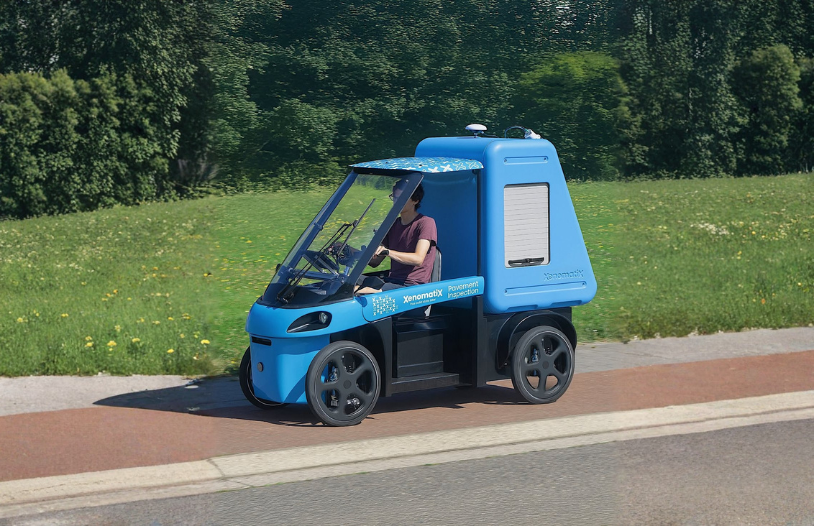
2. Rise of 4-Wheel Cargo eBikes
Where Cargo 4-Wheel eBikes Are Being Used
Adoption is expanding across industries:
- Last-mile delivery companies – Faster urban drop-offs
- Restaurants & grocery chains – Reliable local delivery
- Service businesses – Carry tools and equipment efficiently
- City councils – Maintenance and public services
- Retail & e-commerce – Same-day urban fulfilment
Why CityQ Fits This Shift
As the UK market evolves, platforms like CityQ are designed specifically for these challenges.
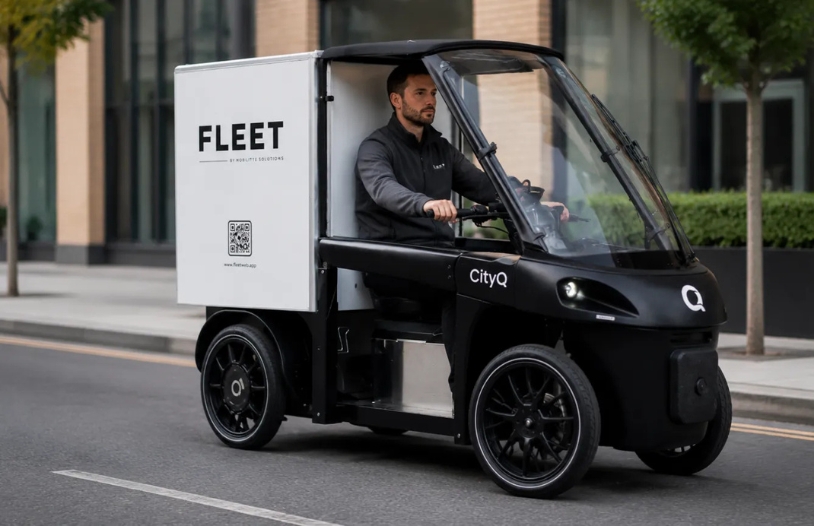
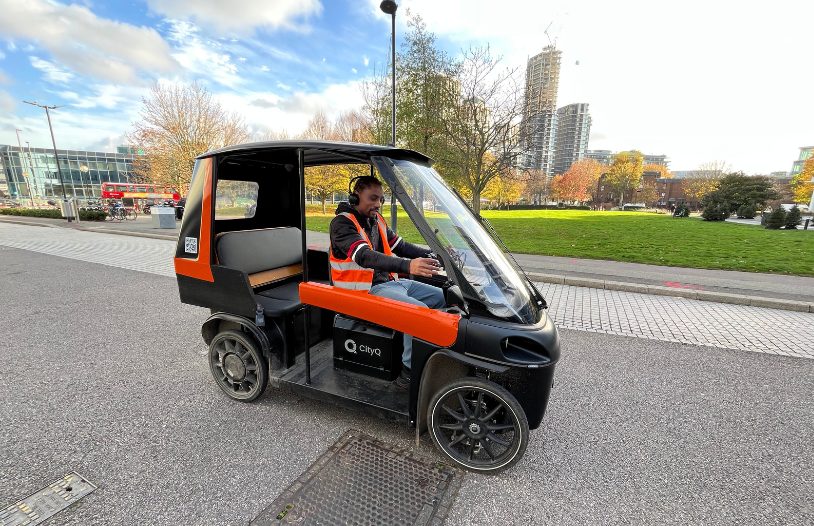
CityQ’s 4-wheel cargo ebikes combine:
- The capacity of a small van
- The flexibility of a bicycle
- The ability to operate in bike lanes and restricted zones
- A stable, enclosed design for daily business use
With models like:
- CityQ 1200 – large cargo capacity for logistics
- CityQ Pickup – adaptable for service operations
CityQ is positioned as a true alternative to vans in urban environments, not just an eco-friendly option.
Final Thoughts
The UK is moving towards a new logistics model—one that prioritises speed, efficiency, and sustainability.
Cargo 4-wheel ebikes are at the centre of this transformation.
For businesses operating in cities, the question is no longer if they should adopt cargo e-bikes—but how quickly they can integrate them into their operations.